

LAPS (Leads, Appointments, Presentations, and Sales) — is the framework that allows you to break down and track the key stages of your business process. It’s designed to give you clarity at every step of the journey, showing you where you’re thriving and where you need to adjust. The more granular and consistent you are with tracking LAPS, the more control you have over your business outcomes.
Let’s dive into each stage of the LAPS system and explore how it helps fuel your business growth.
I. Leads = People You Might Be Able to Help
The first step in any business is identifying potential clients—people who might benefit from what you offer. A lead is anyone who expresses interest in your product or service and shares their contact information with you. Whether it’s a name, phone number, or email, this is known as an opt-in. But leads aren’t just numbers on a spreadsheet—they represent real people who’ve shown interest and are open to engaging further.
Examples of leads:
- Someone who downloads your lead magnet, like an eBook or free guide.
- Someone who completes a quiz or scorecard on your website.
- Someone who signs up for something, like a video series, webinar, or even just a newsletter.
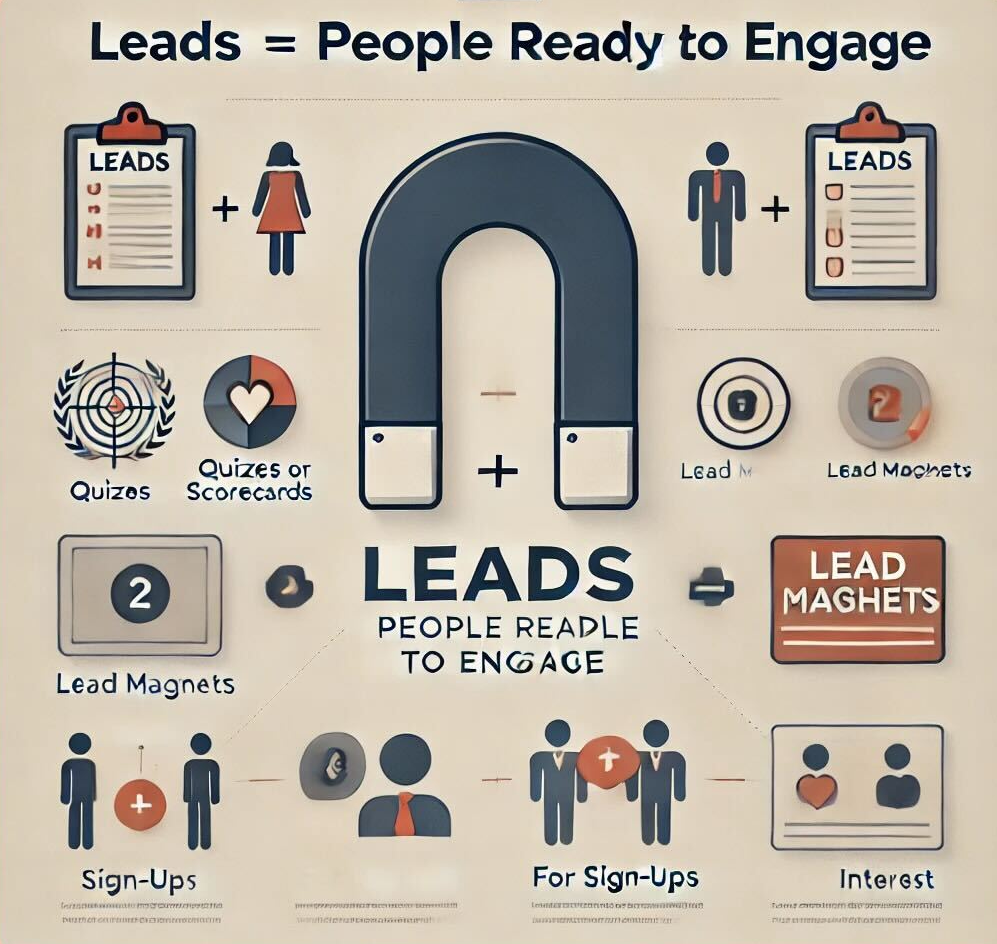
Why It Matters: Every lead is a potential client. The more leads you generate, the more conversations you can start, and the more opportunities you have to convert them into paying customers. Tracking the number of leads you receive daily, weekly, and monthly gives you insight into how well your marketing efforts are working and whether you’re generating enough interest to feed the rest of your sales funnel.
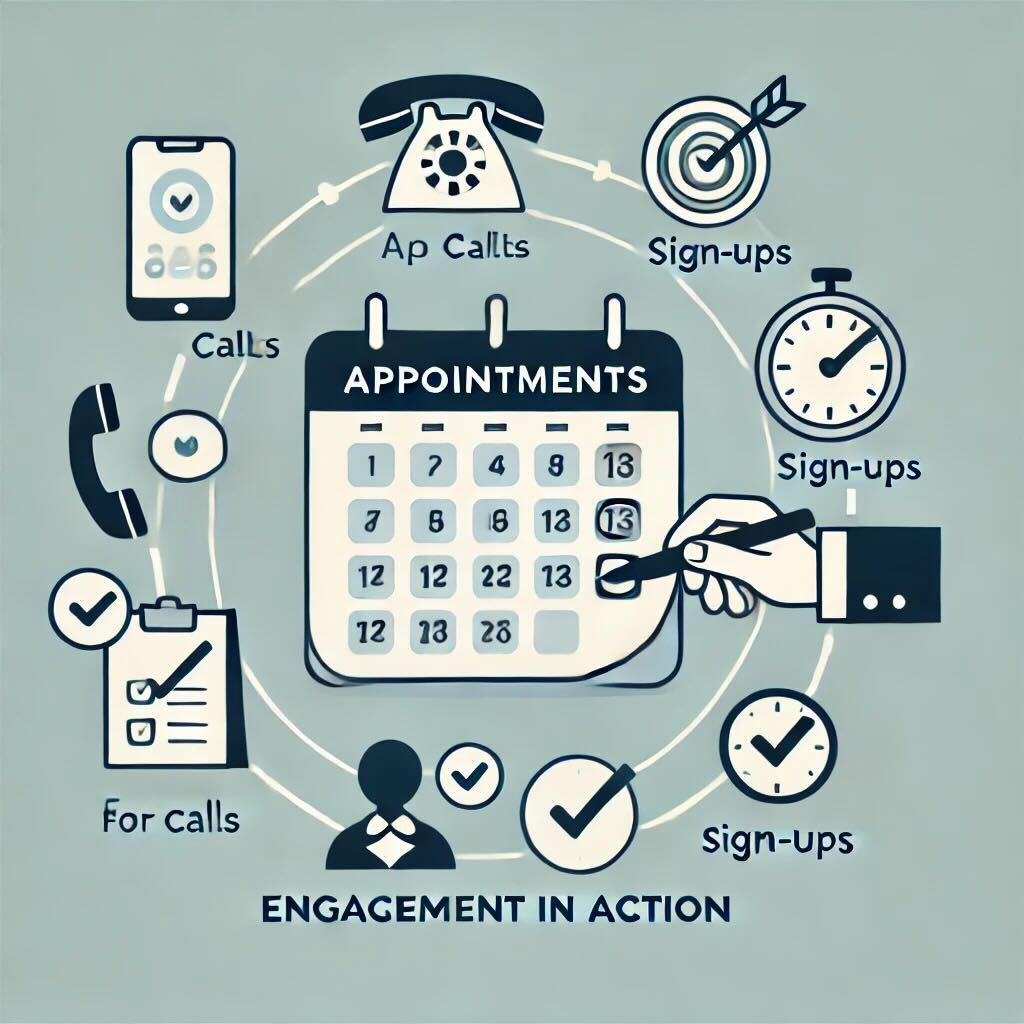
Why It Matters: Tracking appointments helps you measure how well you’re converting leads into actual engagements. Each appointment—whether a call or event sign-up—moves the prospect further into your sales funnel, bringing them closer to making a purchase.
II. Appointments = Call 1, 2, 3 + Other Sign-Ups
Once someone has shown interest, the next step is to engage them more deeply. Appointments represent the moments when prospects are ready to move from passive interest to active engagement. This isn’t limited to phone calls—it can include anyone who signs up for an event, webinar, or masterclass.
Let’s break this down:
- Call 1: Intro Call / Book Interviews: This is your “first date” with a prospect. It’s an initial touchpoint where you start to build a relationship, learn about them, and see if there’s a potential fit.
- Call 2: Discovery Call: The “second date” is where you go deeper. Here, you start understanding their pain points, needs, and goals. You may even assign some homework—such as filling out a form or sharing specific insights—to shape the conversation and prepare them for the next step.
- Call 3: Strategy Session: This is where things get serious. The Strategy Session is often a paid session and a significant turning point in the sales process. It’s a tailored conversation where you present specific solutions based on everything you’ve learned in previous interactions. Again, homework may be assigned here to make the session more productive.
- Other Sign-Ups: You should also track the number of people who sign up for any of your events, webinars, or masterclasses. These engagements are crucial as they indicate a higher level of interest and provide you with opportunities to present your value in more detail.
III. Presentations
Once you’ve got someone on a call or attending an event, the next step is presenting your value. Presentations are where you demonstrate your expertise and show the prospect exactly how you can solve their problem. Whether you’re speaking to a large audience or one-on-one, the goal of a presentation is to move the prospect from interest to action.
Types of Presentations:
- Webinars/Masterclasses: Large group sessions (either live or pre-recorded) where you share your expertise and present your offer.
- Live or Virtual Events: Any speaking engagement, workshop, or seminar—whether in-person or online—that allows you to deliver value to an audience.
- VSLs (Video Sales Letters): Pre-recorded video pitches designed to lead prospects through a sales process and toward taking action.
- Discovery Calls (Call 2): When you begin offering tailored insights or solutions during a call, it starts functioning as a presentation.
- Strategy Sessions (Call 3): These sessions are more in-depth presentations where you walk the prospect through a specific, actionable plan, often leading directly to an offer.
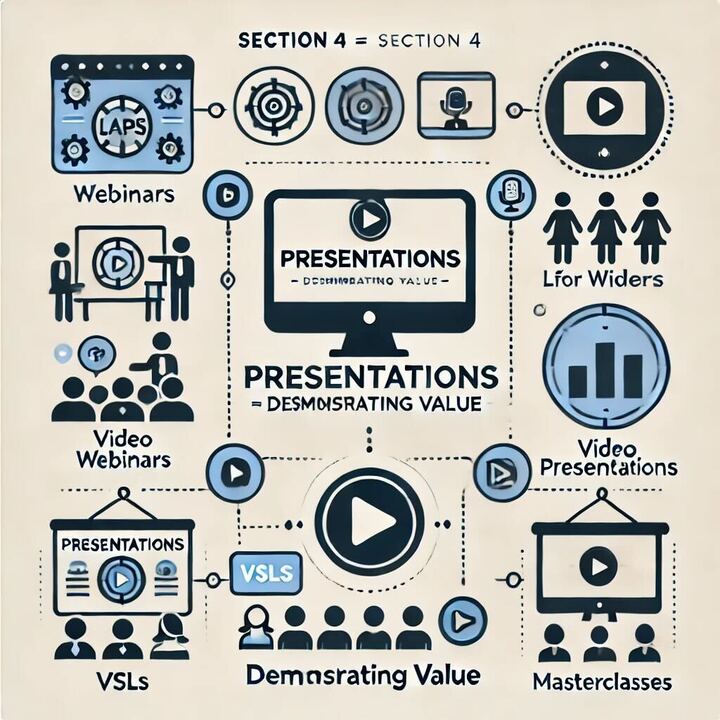
Why It Matters: Presentations are conversion points. Each presentation is an opportunity to move someone from engaged prospect to paying client. Tracking the number of presentations you deliver and their outcomes gives you a clear picture of how effectively you’re moving prospects through your sales funnel.
IV. Sales
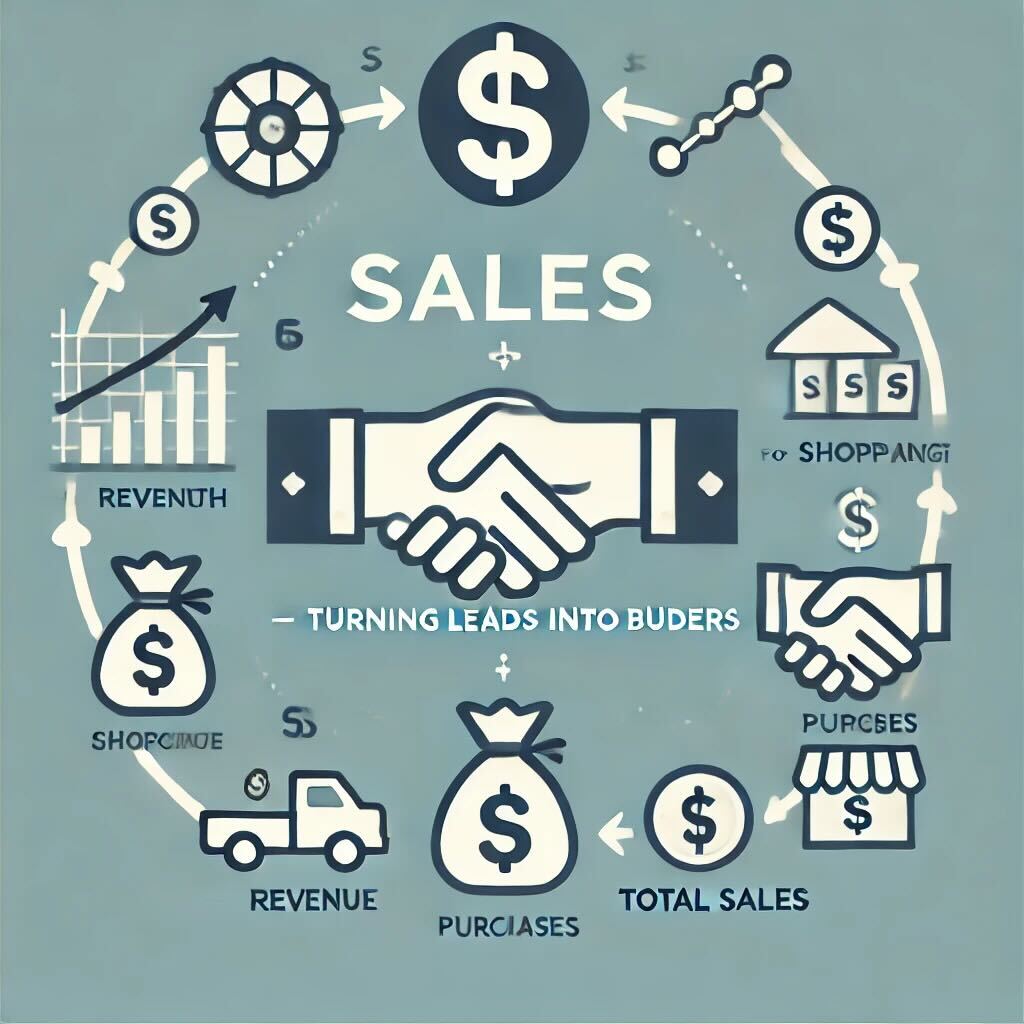
The final step in the LAPS system is Sales—the moment when a prospect becomes a paying customer. This is the ultimate goal of any business process: turning interest into revenue.
Key Metrics to Track:
- # of buyers: The number of people who make a purchase.
- $ of sales: The total revenue generated from those buyers.
Why It Matters: Sales are the clearest indicator of your business’s success. By tracking both the number of sales and the revenue generated, you get a concrete understanding of how well your overall process is working. If leads, appointments, and presentations are happening but sales are lagging, it’s a sign that you need to refine your closing process or adjust your offer.
Why Tracking LAPS Matters
If you’re not tracking your metrics, you’re essentially guessing. The beauty of LAPS is that it shows you exactly what’s working and what isn’t. By breaking down your sales process into Leads, Appointments, Presentations, and Sales, you can pinpoint where your business is thriving and where you need to improve.
- Leads tell you how effective your marketing is at attracting interest.
- Appointments show whether you’re successfully engaging with that interest.
- Presentations reveal if your value proposition resonates enough to drive action.
- Sales give you the bottom line: Are you converting interest into revenue?
Tracking LAPS consistently—daily, weekly, monthly, quarterly, and yearly—gives you the data you need to make informed decisions. You’ll see patterns, identify bottlenecks, and optimize each stage of your business. This allows you to scale with predictability rather than relying on guesswork.
The Bottom Line
If you want to grow your business, you need to track everything. When you know your numbers, you gain control. LAPS is your roadmap to scalable, predictable business growth. By following this system, tracking each stage, and adjusting as needed, you can unlock the potential for consistent success.